

Nutrition Food Label: Are You Reading the Whole Story?
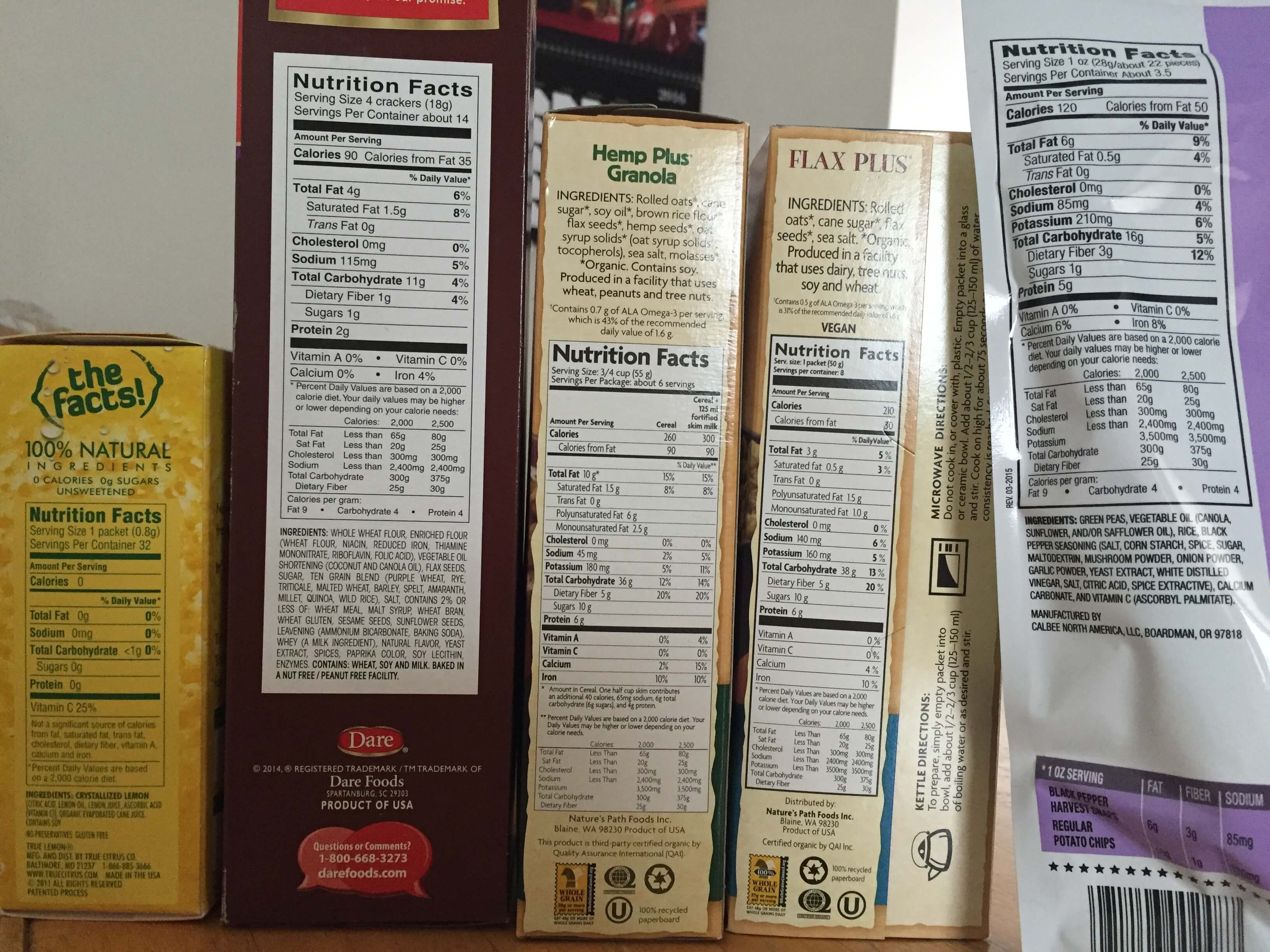
On Friday, May 20, the FDA announced changes to the Nutrition Facts Label (aka “Food Label”) that appears on all packaged foods. While the changes reflect 2015 Dietary Guidelines and aim to increase consumer understanding, as a practitioner I still find more education is required to help consumers make informed choices when it comes to their food. Since the new food label won’t go into effect until 2018, here’s what you and your significant other should know about the current food label.
What Should You be Paying Attention To?
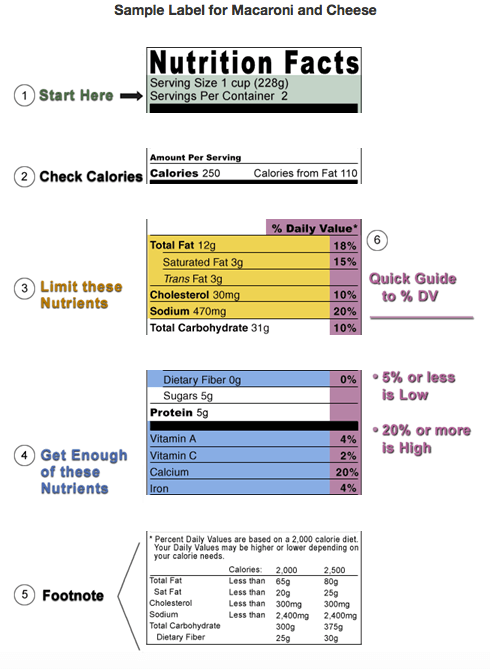
Whenever I meet with a new client, the first question I ask is: A) Do you read food labels, and B) What do you look at? If they do read food labels, it’s always calories, sugar, fat. Rarely are ingredients or serving size reviewed, nor are important nutrients like fiber. Looking only at certain parts of the nutrition label is like only reading the jacket of a novel- you’re not getting the whole story. The following infographic provides info on what to read, which nutrients to limit, and which should be consumed in higher amounts.
% Daily Values: The 20/5 Rule
You’ll notice percentages are included on food labels. Those percentages are actually a decoder ring for these tricky food labels. Percent Daily Value (%DV) is based on a 2,000 calorie diet and indicates what percentage of your daily requirements are obtained from a serving size of that particular item. A trick called the 20/5 Rule will help determine if the item is right for you.
- 5% = Low Source
- Preferred for nutrients like Fat, Saturated Fat, Sodium
- Note: per the 2015 Dietary Guidelines, cholesterol is no longer a dietary nutrient of concern
- 20% = High Source
- Preferred for nutrients like fiber, potassium, vitamins A&C, iron, and calcium
Nutrient Balancing Act
We get energy from carbs, fats, and proteins. Most food items contain all or most of these nutrients. None are “bad” for us, but we do want to be mindful of certain aspects.
- Fat in foods should be primarily comprised of mono or polyunsaturated fats. Saturated fats should make up <7% TOTAL daily calories, while trans-fats should be avoided (and will be removed from foods by 2018, per the FDA).
- Carbohydrates contain fiber. Fiber is GREAT for us, as it helps to slow digestion and nutrient absorption. High fiber foods typically contain ≥5g fiber per serving.
- Protein does NOT contain a %DV because intake is not considered a public health concern.
If you’re unsure about reading a food label correctly, make an appointment with a Registered Dietitian Nutritionist in your area or Contact ME for more information. In addition to reviewing food labels on your favorite foods, a grocery store tour can be scheduled to help make informed decisions when shopping. The only “bad” choice you can make is not asking for help.