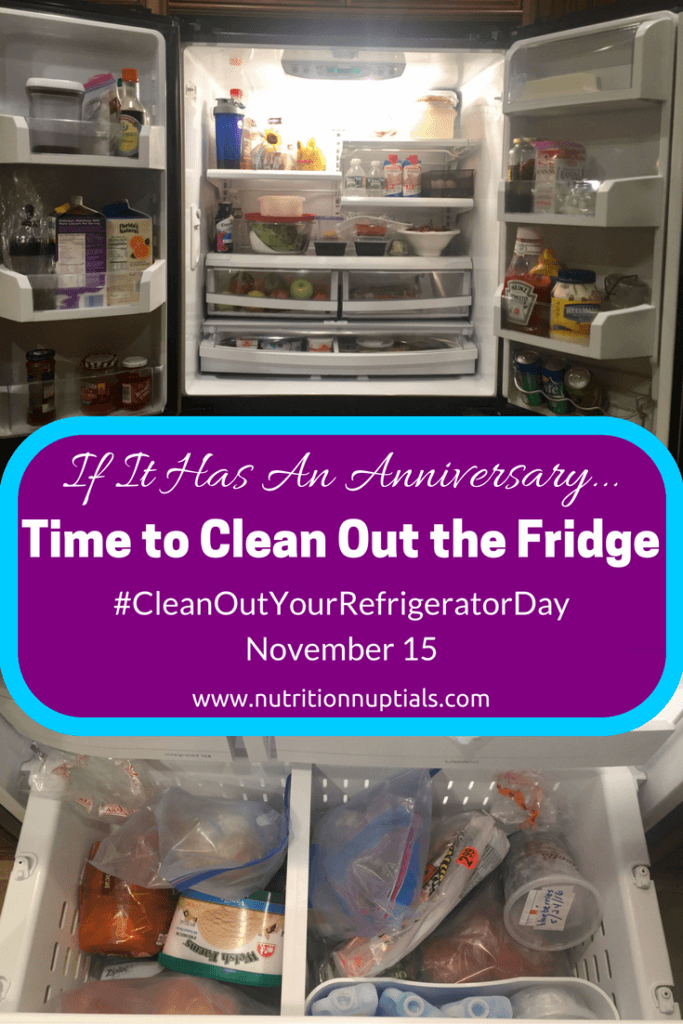
If It Has An Anniversary, Time to Clean Out the Fridge

Mr E and I have officially become grown-ups. We are about to close on our very first (and hopefully, only) home purchase. After 5 years of renting, 1 massive hurricane displacing us, and countless horror stories from home-owning friends, we put off buying a place for as long as we could. But alas, Peter Pan and Wendy now have a mortgage to call their own. On Wednesday, we get the keys and will be moving in. Which means it’s time to start packing. As I work feverishly to purge the fridge and freezer, it arrives just in time for National Clean Out the Fridge Day on November 15.
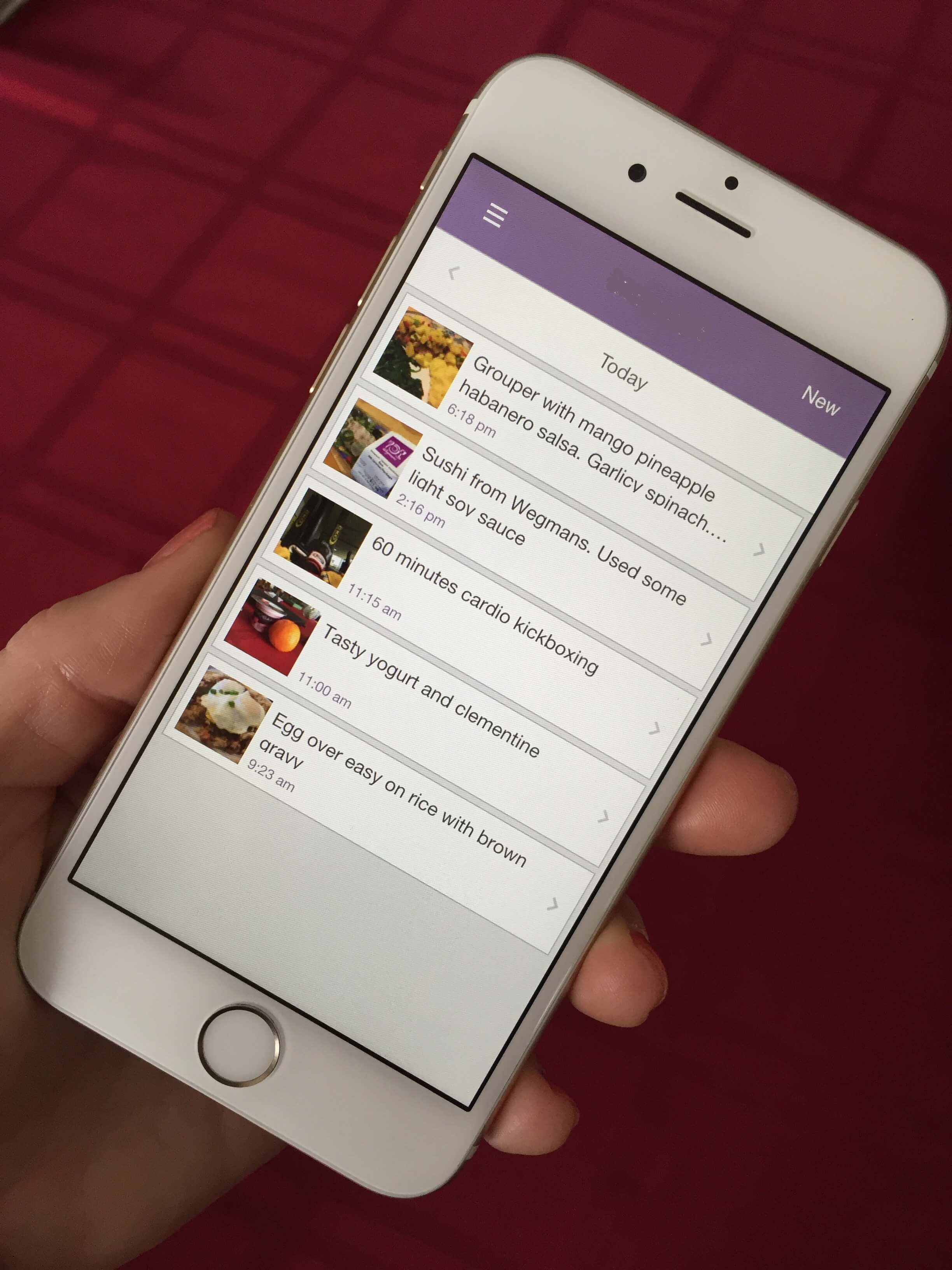
Celebrating anniversaries and birthdays is great – except when it comes to your food. When Mr E was a bachelor, there would be some scary science experiments in his fridge. Now that he lives with an anal retentive dietitian, he’s no longer in science class full time. But occasionally, some items slip through the cracks. If you’re joining the fridge (and freezer!) purge tomorrow, here’s some points to keep in mind.
The Dating Period
First thing’s first: when cleaning the fridge, check the dates on both opened AND unopened foods. What do these dates mean? If you’ve reached that date, does it mean the item has “gone bad”? Here are the type of dates you may encounter:
- Sell-By Date: tells a grocery store how long food for sale should be
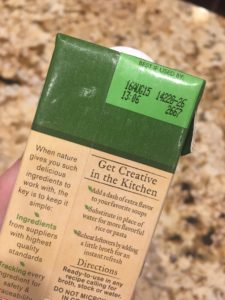 displayed. A consumer should purchase food before that date, and cook or freeze the item soon after.
 - Best if Used By (of Before): recommended for best flavor/quality. It is NOT an indication of safety for the food.
- Use-By: last date recommended by the manufacturer to use the product while at peak quality.
- Closed or Coded Dates: packing numbers for use by the manufacturer.
Even if the date expires during home storage, a product should be safe, wholesome and remain good quality if handled properly. Create a weekly habit of throwing out perishables that should no longer be eaten. Rule of thumb: cooked leftovers get 4 days; raw meats/poultry get 1-2 days max. View the USDA Refrigerations Guidelines for how long items can keep in the fridge or freezer past their dates.
Freshen Up
Follow these guidelines for having the freshest fridge in all the land:
- When cleaning the fridge, follow the 2-Hour Rule by not keeping food out of the fridge for longer than two hours. Anything longer can cause bacteria to grow (and defeat the purpose of keeping your fridge clean).
- While cleaning the freezer, place items in coolers with freezer packs to prevent thawing.
- Check the temp! A fridge should be at 40ºF, while a freezer should be at 0ºF.
- Remove shelves, drawers, ice cube trays and wash in warm, soapy water.
- Wipe the interior of the fridge & freezer with a mild cleaner. Avoid cleaners that can leave a harmful chemical reside in the fridge/freezer by making your own all-purpose cleaner (see below for recipe).
- Don’t forget to give the front of the fridge some love as well! This is not only for appearance, but also efficiency and performance of the appliance. Clean the outside with a soft cloth and mild liquid dishwashing detergent as well as cleansers and polishes that are made for appliance use. Keep the front grill dust- and lint-free so air can flow to the condenser. Clean the condenser coil several times a year with a brush or vacuum cleaner to remove dirt, lint, or other junk.
- Avoid funky smells from the fridge and freezer by placing an open box of baking soda in both and change monthly. Or make your own fridge/freezer refresher (see recipe below).
ALL-PURPOSE CLEANER RECIPE* 15-20 drops disinfecting essential oil (RECOMMENDED OILS: lemon, grapefruit, tea tree [melaleuca], protection blend, purifying blend) *1/2 white (distilled) vinegar) *1/2 C water *8oz spray bottle Instructions: 1 ) Drop disinfecting essential oils into spray bottle 2) Add vinegar, then fill the best of the bottle with water. 3) Place top on bottle and shake to combine. 4) Shake before using FRIDGE/FREEZER REFRESHER RECIPE*2 1/2 C baking soda *1/2-1 C water * 15 drops essential oil (RECOMMENDED OILS: lemon, grapefruit, tea tree [melaleuca], peppermint, purifying blend) Instructions: 1 ) Combine baking soda and essential oil in bowl and stir. 2) Add water until a thick paste forms (should look like damp sand) 3) Divide mixture evenly into silicone molds. 4) Allow mixture to rest 2-3 days. TIP: In addition to the fridge/freezer, can also use these fresheners under the sink, behind the toilet, or in a shoe closet. *When selecting essential oils, aim to use CPTG Certified Pure Therapeutic Grade oils. |
Organize & Date It
Be strategic when placing items back in the fridge/freezer after cleaning:
- Follow FIFO (First In, First Out) – items that were purchased earlier should be placed towards the front for easy access and use.
- Avoid cross-contamination from meats/poultry/seafood by placing in containers or sealed plastic bags to prevent juices dripping on other food items. It’s a good practice to keep these items on the bottom shelf.
- Perishable items (fresh veggies and fruits) should not be stored on the
door or near the front of the fridge. Limit exposure to light/air/heat whenever possible, as this can weaken and eventually kill the nutrients. - Date food items that are being stored in the freezer with the storage date. Place earlier dated items towards the front or top to ensure usage.
- Date containers in the fridge the day you open them. It’s easy to lose track of how long opened containers may live in our fridge. Follow the USDA Refrigerations Guidelines for how long open items can remain safely in the fridge.
WHAT IS YOUR TOP FRIDGE/FREEZER CLEANING TIP? SHARE IN THE COMMENTS BELOW.
AND STAY TUNED FOR FUTURE POSTS ABOUT ADVENTURES IN HOME-OWNERSHIP!
DISCLAIMER: All opinions are my own and are not influenced or biased by any third parties. I am not compensated for mentioning any specific brands or retailers on this blog, however I do serve as an affiliate for several retailers, including doTERRA, which pays me a commission for purchases made through my website and allows me to keep this website and blog active for you and future readers.